
When deciding between an Aluminum vs Galvanized Boat Trailer, you want a trailer that’s both good for your boat and worth your money. Comparing Aluminum vs Galvanized Boat Trailer options, aluminum often comes out on top. Aluminum trailers resist corrosion effectively, especially in saltwater environments. They are also lighter, making them easier to tow and more fuel-efficient. Additionally, aluminum requires minimal maintenance since it doesn’t rust. Here are the key factors boat owners consider when choosing between an Aluminum vs Galvanized Boat Trailer:
- Cost: Aluminum may have a higher upfront cost but retains its value over time.
- Corrosion resistance: Aluminum is ideal for wet and marine environments.
- Lightweight: Easier towing and improved gas mileage.
- Less maintenance: No rust means fewer repairs and upkeep.
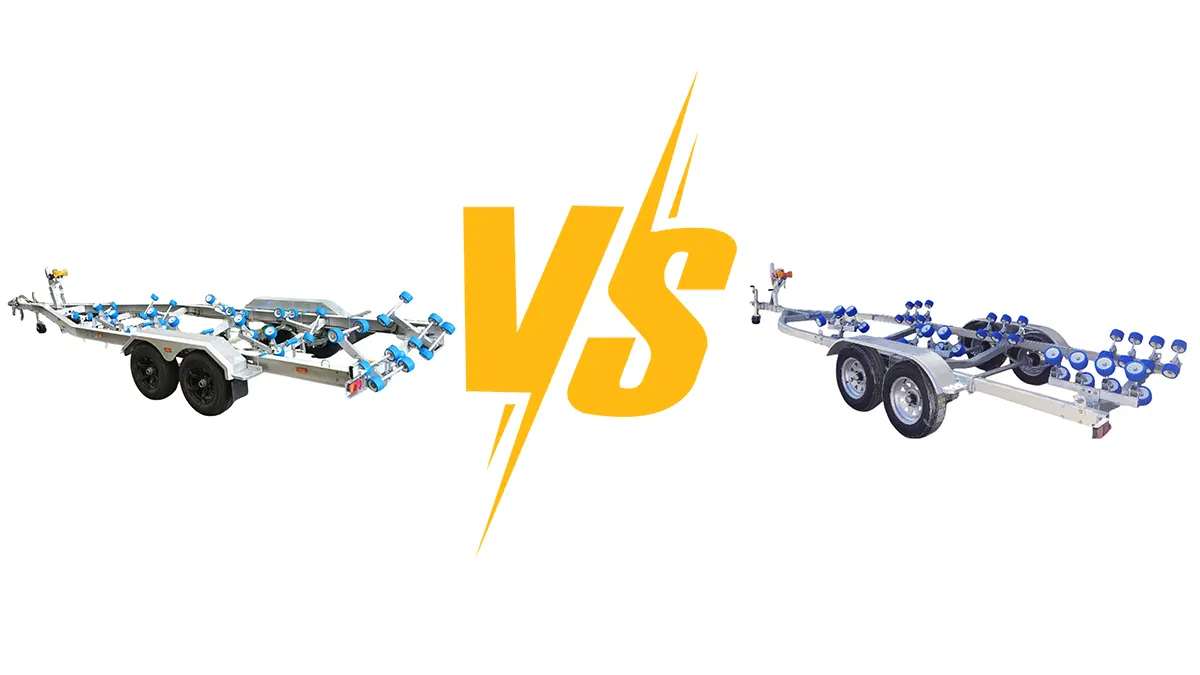
Key Takeaways
- Aluminum trailers do not rust as easily. This makes them great for saltwater.
- Galvanized trailers cost less at first. But they might need more care later.
- Aluminum trailers weigh less. This helps with towing and saves gas.
- Galvanized trailers are very strong. They work well for small boats and freshwater.
- Aluminum trailers last longer, especially in salty water.
- Cleaning your trailer after use helps both types last longer.
- Aluminum trailers sell for more money later. This is because they do not rust and last long.
- Pick a trailer based on where you boat, how often, and your money.
Aluminum vs Galvanized Boat Trailer
Difference Between Aluminum and Galvanized Boat Trailers
When you look at aluminum vs galvanized boat trailer options, you notice some clear differences. Each kind has good points and bad points. Let’s see what makes them different.
Material Properties
It is important to know what your trailer is made of before you use it. Here is a simple look at how aluminum and galvanized boat trailers are not the same:
| Trailer Type | Material Composition | Key Properties |
|---|---|---|
| Aluminum Trailers | Built mostly from aluminum, which is light and resists corrosion. | Saves weight, works well for smaller boats, and resists corrosion in freshwater. |
| Galvanized Trailers | Uses steel frames covered with zinc to stop rust and corrosion. | Has great strength and lasts long, with zinc keeping out moisture and salt water. |
Aluminum trailers use a metal that does not rust easily. They are light and simple to move. Galvanized boat trailers use steel, but they get a zinc layer to help stop rust. This makes them strong and sturdy, but also heavier.
Corrosion Resistance
You want your trailer to last a long time, especially near water. Corrosion resistance is very important. Aluminum boat trailers are great because they resist corrosion very well. They do not rust, even in salty water. The metal builds a shield that keeps it safe from harm.
Galvanized boat trailers fight rust in another way. The zinc layer protects the steel inside. Over time, this layer can wear off, especially if you use your trailer often or launch in saltwater. When the layer is gone, the steel can start to rust. Tests show that aluminum gives better protection in water. If you use your trailer in saltwater, aluminum trailers keep you worry-free with their strong corrosion resistance.
Aluminum vs Steel
You may wonder about aluminum vs steel. Aluminum is much lighter than steel. This means your trailer weighs less, so you save gas and your car does not work as hard. Aluminum trailers resist corrosion very well. They do not need extra layers to stay strong. Steel trailers, even with a zinc layer, can rust if the layer gets scratched. Aluminum boat trailers used to cost more, but now prices are close to galvanized boat trailers.
Tip: If you want a trailer that is easy to pull, lasts longer in saltwater, and needs less care, aluminum is a smart pick. If you want to spend less money at first and have a trailer for freshwater or smaller boats, galvanized boat trailers are a good choice.
Here is a simple table to help you compare:
| Feature | Aluminum Trailers | Galvanized Trailers |
|---|---|---|
| Material Composition | Made from light, corrosion-resistant aluminum. | Made from steel with zinc for rust protection. |
| Weight | Lighter, easier to move and tow. | Heavier, gives stability for bigger boats. |
| Corrosion Resistance | Naturally resists corrosion, good for freshwater and saltwater. | Depends on zinc layer, which can wear out. |
| Cost | Usually costs more, but prices are now similar. | Cheaper, gives strength at a lower price. |
When you choose between aluminum vs galvanized boat trailer, think about where you boat, how often you use your trailer, and what matters most—weight, price, or lasting strength.
Aluminum Boat Trailers
Benefits of Aluminum Trailers
When you look at aluminum boat trailers, you’ll notice some clear advantages that make them a favorite among boaters. Let’s break down why so many people choose them.
Lightweight Design
You want a trailer that’s easy to move and tow. Aluminum trailers stand out because they are much lighter than other types. This lightweight design means you can hitch up your boat and head out without worrying about putting too much strain on your vehicle. Many users say they love how simple it feels to handle these trailers, even if you’re new to boating. The strength-to-weight ratio is impressive, so you get a trailer that’s both strong and easy to manage.
- You can tow your boat with less effort.
- It’s easier to maneuver in tight spaces.
- You might even save money on gas because your car doesn’t have to work as hard.
Corrosion Resistance
If you spend time near the water, you know how important it is to keep your trailer in good shape. Aluminum boat trailers are naturally rust resistant. They don’t need a special coating to fight off corrosion. This makes them perfect for both saltwater and freshwater use. You won’t have to worry about rust eating away at your trailer, which means it will last longer and look better over time.
Tip: Aluminum trailers are a great choice if you want something that stays strong and shiny, even after years of use near the ocean.
Here are some other reasons people love aluminum trailers:
- They resist corrosion and wear, so you get a longer lifespan.
- Loading and unloading your boat feels easy and smooth.
- You can take your boat to different places without hassle.
- Using a trailer can help you save on docking fees and maintenance costs.
If you want the advantages of aluminum boat trailers, you’ll also enjoy low maintenance. Just rinse your trailer with fresh water after each trip, especially if you’ve been in saltwater. Check the fasteners, tires, and wheel bearings now and then. Inspect the frame for any signs of damage. A little care goes a long way.
Drawbacks of Aluminum Trailers
Aluminum trailers have many perks, but they aren’t perfect for everyone. You might notice that the upfront cost is higher than some other options. If you have a very large or heavy boat, you may need to double-check the trailer’s weight rating. Sometimes, aluminum can flex more than steel, which might not feel as sturdy if you’re hauling a big load. Also, while they resist rust, you still need to keep an eye on the hardware and moving parts, since these can wear out over time.
Remember, no trailer is completely maintenance-free. Regular checks help you catch small problems before they turn into big ones.
Galvanized Boat Trailers
Benefits of Galvanized Trailers
Cost Advantage
If you want to save money, galvanized trailers often give you the best deal. These trailers usually cost less than aluminum trailers. You can get a strong trailer without spending a lot. Many boaters pick galvanized trailers when they want something sturdy but need to stick to a budget. You do not have to pay extra for fancy materials. You get a trailer that does the job and keeps your boat safe.
Galvanized trailers use steel frames with a zinc coating. This coating helps protect the trailer from rust and corrosion. You can use these trailers in both freshwater and saltwater. If you rinse your trailer with fresh water after each trip, you help it last even longer. You do not need to worry about expensive repairs right away. For many families, this cost advantage makes galvanized trailers a smart choice.
Durability for Smaller Boats
Galvanized trailers work well for small and medium-sized boats. The steel frame gives you plenty of strength. The zinc coating helps the trailer stand up to water and weather. You can trust your trailer to carry your boat safely to the lake or the ocean.
Galvanized trailers will last longer and require less maintenance. Regardless of whether the trailer is galvanized or not, a thorough rinsing with fresh water after each saltwater immersion will also extend the life of the trailer.
You do not need to worry about your trailer falling apart after a few seasons. Many boaters use galvanized trailers for years without big problems. The zinc layer keeps rust away for a long time. If you take care of your trailer, it will take care of your boat.
Drawbacks of Galvanized Trailers
Galvanized trailers have some downsides you should know about. The zinc coating can wear off over time, especially if you use your trailer in saltwater a lot. When this happens, the steel underneath can start to rust. You might see spots where the coating has chipped or faded. These spots can turn into bigger problems if you do not fix them.
You may also notice that galvanized trailers are heavier than aluminum trailers. This extra weight can make towing harder. Your car or truck might use more gas. Moving the trailer by hand can feel tough, especially on hills or soft ground.
- Aluminum trailers generally require less frequent repairs due to their corrosion resistance compared to galvanized steel trailers.
- Aluminum trailers last longer and do not rust, even when submerged in brackish and salt water.
- Steel trailers, while tried and true, rust faster and have higher maintenance requirements.
If you want a trailer that needs less care and lasts longer in salty water, you might want to look at aluminum trailers. Galvanized steel trailers still work well, but you will need to check them for rust and fix any problems quickly. Regular rinsing and inspections help keep your trailer in good shape.
Durability & Longevity
Aluminum vs Galvanized in Saltwater
Saltwater can damage your boat trailer fast. It makes metal corrode quicker. Aluminum trailers are special because they do not rust. The metal builds a shield that blocks water and salt. This keeps the trailer strong and shiny for many years. If you take care of it, an aluminum trailer can last over 20 years in saltwater. You should rinse your trailer after every trip. Always check for any damage.
Galvanized steel trailers have a zinc coating to stop rust. The coating works well at first. Saltwater can wear the zinc away over time. When the zinc is gone, the steel starts to rust. Most galvanized trailers last 10 to 15 years in saltwater. If you use your trailer a lot, you may see rust sooner. Galvanized trailers are heavier and can corrode more as time goes on. You need to watch them closely.
Here’s a simple table showing how each trailer does in saltwater:
| Trailer Type | Average Lifespan in Saltwater | Corrosion Resistance | Weight |
|---|---|---|---|
| Aluminum | 20+ years | Excellent | Lighter |
| Galvanized Steel | 10-15 years | Good (until zinc fades) | Heavier |
Tip: Aluminum trailers are best for saltwater. You will worry less about rust and enjoy your boat more.
Aluminum vs Galvanized in Freshwater
Freshwater is not as harsh as saltwater. It is easier on boat trailers. Aluminum trailers usually last longer in freshwater. Aluminum fights off corrosion by itself. Your trailer stays in good shape for many years. You still need to rinse and check your trailer. You will not see much damage.
Galvanized trailers also work well in freshwater. The zinc coating protects the steel inside. You will not see much rust unless the coating gets scratched. With good care, galvanized trailers can last a long time. Always check for chips or scratches in the zinc. These spots let water in and can cause rust.
Here are some things to remember:
- Aluminum trailers last longer in freshwater and need less care.
- Galvanized trailers are strong, but you must check for rust.
- Both types need proper care. Even aluminum can have problems if ignored.
Note: No trailer lasts forever. If you take care of your trailer, it will last longer no matter which material you choose.
Weight & Towing
Trailer Weight Comparison
When you look at boat trailers, weight matters a lot. You want something that fits your boat but also makes towing easy. Aluminum and galvanized trailers have a big difference in weight. If you compare two trailers for the same size boat, you will see that aluminum trailers are much lighter.
Here’s a quick look at how the numbers stack up:
| Trailer Type | Weight (lbs) | Weight Difference (lbs) |
|---|---|---|
| Aluminum Trailer | 880 | 920 |
| Galvanized Steel | 1800 | |
| General Comparison | – | 200 to 1000 |
| General Assumption | – | 10-15% reduction |
You can see that an aluminum trailer can weigh almost half as much as a galvanized steel trailer. That’s a huge difference! Most aluminum trailers weigh between 200 and 1,000 pounds less than their steel counterparts. Sometimes, you get a 10-15% reduction in total trailer weight just by choosing aluminum.
Why does this matter for you? A lighter trailer is easier to move around by hand. You can hitch it up without breaking a sweat. If you ever need to push your trailer into a tight spot at the boat ramp, you’ll be glad you picked the lighter option.
Tip: If you have a smaller vehicle or want to save your back, go with aluminum. You’ll notice the difference every time you tow or park your trailer.
Towing Performance
Towing a boat trailer isn’t just about getting from point A to point B. You want the ride to feel smooth and safe. The weight of your trailer plays a big role in how your vehicle handles on the road.
Aluminum trailers shine here. Because they are lighter, your car or truck doesn’t have to work as hard. You’ll see better acceleration when you pull away from a stop. Stopping distances get shorter, so you feel more in control. You might even notice your gas mileage improves, which means you spend less money at the pump.
Heavier galvanized steel trailers put more strain on your vehicle. Your engine works harder, and you use more fuel. Braking takes longer, and you might feel the trailer pushing your car when you slow down. Over time, this extra weight can wear out your brakes and suspension faster.
Here’s what you get with a lighter aluminum trailer:
- Easier towing, even with smaller SUVs or trucks
- Better fuel efficiency
- Less wear and tear on your vehicle
- More confidence when driving, parking, or backing up
If you want a trailer that feels easy to tow and helps your vehicle last longer, aluminum is the way to go. You’ll enjoy every trip a little more, and your wallet will thank you, too.
Cost Comparison
Purchase Price
When you shop for a boat trailer, the first thing you notice is the price. Aluminum trailers usually cost more than galvanized trailers. This happens because aluminum is a premium material. It gives you extra features like lighter weight and better corrosion resistance. Galvanized trailers are more budget-friendly. They give you solid value if you want to save money upfront.
Here’s a quick table to show how the price compares:
| Trailer Type | Price Comparison |
|---|---|
| Galvanized | Typically more budget-friendly |
| Aluminum | Premium cost associated with aluminum |
You might find that some large manufacturers offer aluminum trailers at a price close to galvanized models. If you look for deals or sales, you can sometimes get a great trailer without spending too much.
Tip: If you want the best deal, check prices at different retailers and ask about seasonal discounts.
Ownership Costs
Buying a trailer is just the start. You also need to think about how much it costs to own and use your trailer. Aluminum trailers need less maintenance. They do not rust, so you spend less money on repairs. You only need to rinse them off and check the parts now and then. This saves you time and money over the years.
Galvanized trailers need more care. The zinc coating can wear off, especially if you use your trailer in saltwater. When this happens, you may need to fix rust spots or replace parts. These repairs can add up. You might pay less at first, but you could spend more later.
Here’s what you should remember:
- Aluminum trailers cost more upfront, but you save on maintenance.
- Galvanized trailers are cheaper to buy, but may need more repairs.
Resale Value
You may want to sell your trailer one day. The resale value matters a lot. Aluminum trailers hold their value well. They do not rust, so they look good even after years of use. Buyers like trailers that last and need less work. You can often sell an aluminum trailer for a higher price.
Galvanized trailers lose value faster. Rust and wear can make them look old. If you take good care of your trailer, you can still get a fair resale price. But most buyers will pay more for aluminum because they know it lasts longer.
Note: If you want a trailer that keeps its value, aluminum is the smart choice. You get more money back when you sell.
In the end, think about what matters most to you—saving money now or getting more back later. Both trailer types can be a good investment if you match them to your needs.
Maintenance Needs
Aluminum Trailer Maintenance
You want your aluminum boat trailer to last as long as possible. Good trailer maintenance helps you avoid problems and keeps your trailer ready for every trip. Aluminum trailers resist corrosion, but you still need to check them often. Here’s a simple routine you can follow:
- Inspect tires and wheels. Look for low air pressure, worn tread, and make sure lug nuts are tight.
- Check brake pads or shoes every season. Rinse them after each trip so they stay in good shape.
- Test trailer brakes before you head out. Make sure they engage smoothly and stop your trailer safely.
You should rinse your trailer after every use, especially if you launch in saltwater. Pay attention to the axles, brakes, and any steel parts. These areas can still get rusty if you ignore them. If you see any signs of damage, fix them right away. Regular trailer maintenance keeps your trailer looking good and working well.
Tip: A quick rinse and a fast check can save you money and trouble down the road.
Galvanized Trailer Maintenance
Galvanized boat trailers stand up well to water, but they still need care. The zinc coating protects the steel frame, but it can wear off over time. You need to rinse your trailer after every saltwater trip. Focus on the axles, brakes, and other steel parts. These spots can collect salt and start to rust if you leave them dirty.
Trailer maintenance for galvanized trailers means checking for chips or scratches in the zinc coating. If you find any, cover them with a zinc-rich paint. This stops water from reaching the steel underneath. You should also inspect the tires, lights, and wiring. Make sure everything works before you hit the road.
Both aluminum and galvanized trailers need regular maintenance. You can’t skip trailer maintenance if you want your trailer to last. Even though aluminum resists corrosion better, it still has steel parts that need attention. Galvanized trailers need more care to keep the zinc coating strong. If you follow these steps, you’ll keep your trailer safe and ready for every adventure.
Here’s a quick table to help you remember:
| Trailer Type | Key Maintenance Steps | Special Focus Areas |
|---|---|---|
| Aluminum | Rinse, inspect tires, check brakes | Steel parts, axles, brakes |
| Galvanized | Rinse, check zinc coating, inspect | Chips, scratches, steel |
Note: Trailer maintenance is not hard if you make it part of your routine. You’ll spend less time fixing problems and more time enjoying your boat.
Saltwater vs Freshwater
Best Choice for Saltwater
If you spend most of your time boating in saltwater, you need a trailer that can handle tough conditions. Saltwater is harsh and can make metal rust quickly. You want to protect your investment and avoid headaches down the road.
Aluminum boat trailers shine in saltwater. They are light, so you put less strain on your tow vehicle. You can move your trailer with less effort, and you might even save money on gas. Aluminum does not rust like steel. This means your trailer can last longer, even if you launch your boat in the ocean every weekend.
“An aluminum trailer will most likely serve a longer duty cycle as it isn’t prone to rusting,” says Jon Smiley, business development director for MYCO Trailers.
Here’s what you should look for when choosing a trailer for saltwater:
- Aluminum trailers are lighter, making towing easier.
- Aluminum resists rust, so you get a longer lifespan.
- Galvanized trailers are strong but heavier, which works for commercial use.
- If you mix aluminum and galvanized steel parts, watch out for electrolysis. This can cause corrosion where the metals meet.
If you want a trailer that stays looking good and working well in saltwater, go with aluminum. You will spend less time on repairs and more time enjoying your boat.
Best Choice for Freshwater
Freshwater is much easier on trailers. You have more options, and you can focus on what fits your boat and budget. Both aluminum and galvanized steel trailers work well in lakes and rivers.
When you pick a trailer for freshwater, think about these things:
- Make sure the trailer’s weight rating is at least 15% higher than your loaded boat.
- Tandem axles give you smoother rides and better safety for bigger boats.
- Submersible trailers are easy for beginners but need more care. Roll-off trailers last longer but can be harder to use.
- Painted steel trailers are cheap but need lots of maintenance. Galvanized steel resists rust better. Aluminum is light and strong but costs more.
Durability and construction matter. Galvanized steel and aluminum both fight off rust and last a long time. Welded frames are stronger than bolted ones. Custom fit and adjustable trailers keep your boat safe during transport. Features like roller bunks or self-centering guides make loading and unloading simple. Good brakes keep you safe on the road.
- Steel trailers are strong and affordable but need regular care.
- Galvanized steel is best for freshwater because it resists rust.
- Aluminum trailers are light and last a long time, but you pay more.
- Bunk trailers are easy and stable for small boats. Roller trailers work for shallow water but cost more.
If you want a trailer that is easy to use and lasts for years, galvanized steel is a smart pick for freshwater. Aluminum is also a great choice if you want less weight and don’t mind the higher price.
Tip: Always rinse your trailer after use, check for damage, and keep up with maintenance. This helps your trailer last, no matter where you boat.
Choosing Your Trailer
Key Questions to Ask
You want a trailer that fits your boat and your lifestyle. Before you make a choice, ask yourself a few important questions. These questions help you avoid mistakes and make sure you get the best trailer for your needs.
- Where do you plan to use your trailer most? Saltwater or freshwater?
- How often will you use your trailer? Every weekend or just a few times a year?
- What is your budget? Are you looking for something affordable or are you ready to invest in a premium trailer?
- How big and heavy is your boat? Does your trailer need to handle extra weight?
- What kind of vehicle will you use for towing? Is it strong enough for a heavier trailer?
- Do you want a trailer that needs less maintenance or are you okay with regular upkeep?
Tip: Write down your answers. This makes it easier to compare trailer options and see which one matches your needs.
You should also check the trailer’s weight rating. Make sure it is at least 15% higher than your boat’s loaded weight. Look for features like tandem axles, adjustable bunks, and good brakes. These features make towing safer and loading easier.
Matching Trailer to Your Needs
Now that you have your answers, you can start matching your trailer to your needs. If you boat in saltwater, aluminum trailers are a smart pick. They resist corrosion and last longer. If you spend most of your time in freshwater, galvanized trailers work well and cost less.
Think about how often you use your trailer. If you launch your boat every week, you want something that stands up to wear and tear. Aluminum trailers need less maintenance and save you time. If you only use your trailer a few times a year, a galvanized trailer can be a good choice.
Budget matters, too. Aluminum trailers cost more upfront but save money over time. Galvanized trailers are cheaper but may need repairs if the zinc coating wears off. You should balance your budget with your needs.
Here’s a simple table to help you compare:
| Your Situation | Best Trailer Type | Why It Works |
|---|---|---|
| Saltwater boating | Aluminum | Resists corrosion, lasts long |
| Freshwater boating | Galvanized | Affordable, strong |
| Frequent use | Aluminum | Low maintenance |
| Occasional use | Galvanized | Budget-friendly |
Note: Choosing the right trailer means thinking about where you boat, how often you go out, and what you can spend. If you match your trailer to your needs, you avoid common mistakes and enjoy your boating trips more.
You can always ask a trailer expert for advice. They help you find the best fit for your boat and your budget. Take your time, compare options, and make sure your trailer works for you.
Pros & Cons Summary
Aluminum Trailers Pros & Cons
You want to know if aluminum trailers are right for you? Let’s break it down. Aluminum trailers have a lot of fans because they make boating easier. Here’s what you get:
Pros:
- Lightweight design makes towing simple. You can move your trailer without much effort.
- Aluminum resists corrosion. You don’t have to worry about rust eating away at your trailer.
- Low maintenance. You just rinse it after each trip and check the parts.
- Great for saltwater. Aluminum stands up to harsh conditions and lasts longer.
- Higher resale value. Buyers like trailers that look good and work well after years of use.
Cons:
- Higher upfront cost. You pay more at first, but you save money over time.
- Can flex more than steel. If you haul a heavy boat, you might notice some movement.
- Hardware and moving parts still need care. Aluminum won’t rust, but bolts and axles can wear out.
Tip: If you want a trailer that lasts and needs less work, aluminum is a smart choice. You spend more now, but you get peace of mind.
Here’s a quick table for aluminum trailers:
| Pros | Cons |
|---|---|
| Lightweight | Higher initial price |
| Resists corrosion | Can flex under heavy loads |
| Low maintenance | Hardware needs attention |
| Great for saltwater | |
| High resale value |
Galvanized Trailers Pros & Cons
Galvanized trailers give you a strong option, especially if you want to save money. You get a steel frame with a zinc coating. Let’s look at the pros and cons:
Pros:
- Lower purchase price. You can get a sturdy trailer without breaking the bank.
- Strong frame. Steel gives you plenty of strength for small and medium boats.
- Good for freshwater. The zinc coating protects against rust in lakes and rivers.
- Easy to find. Many dealers offer galvanized trailers in different sizes.
Cons:
- Heavier than aluminum. You need a bigger vehicle to tow it comfortably.
- Zinc coating can wear off. When it does, the steel underneath can start to rust.
- More maintenance. You need to check for chips and scratches in the coating.
- Not as good for saltwater. Over time, saltwater can break down the zinc and cause corrosion.
Note: Galvanized trailers work well if you boat in freshwater and want to save money. Just remember to rinse and inspect your trailer often.
Here’s a quick table for galvanized trailers:
| Pros | Cons |
|---|---|
| Lower price | Heavier |
| Strong frame | Zinc coating wears off |
| Good for freshwater | Needs more maintenance |
| Easy to find | Not ideal for saltwater |
You can see both trailer types have strengths and weaknesses. Think about where you boat, how often you use your trailer, and what matters most to you. That way, you pick the trailer that fits your needs.
Conclusion
Choosing between aluminum and galvanized boat trailers depends on your boating environment, trailer use, and budget. If you often use your boat in saltwater or want lower maintenance, an aluminum trailer is a strong choice. If you mainly boat in freshwater and need a more cost-effective option, a galvanized trailer can also work well.
As a boat trailer manufacturer, Hyroad Trailer can help you compare frame materials, load capacity, axle configuration, brake options, and support systems based on your boat size and transport needs. Whether you need an aluminum boat trailer, a hot-dip galvanized marine trailer, or a fully customized boat trailer solution, we can build a trailer that fits your application.
FAQ
Can I use an aluminum trailer in freshwater?
Yes, you can use an aluminum trailer in freshwater. It resists corrosion and lasts a long time. You get a lightweight trailer that works well in lakes and rivers.
Do galvanized trailers rust over time?
Galvanized trailers can rust if the zinc coating wears off. You should rinse your trailer after each use. Check for chips or scratches to keep rust away.
Which trailer is easier to tow with a small SUV?
You will find aluminum trailers much easier to tow with a small SUV. They weigh less, so your vehicle does not work as hard. You also save on gas.
How often should I rinse my trailer after saltwater use?
You should rinse your trailer with fresh water after every saltwater trip. This helps prevent corrosion and keeps your trailer looking new.
Is it safe to store my trailer outside?
Yes, you can store your trailer outside. Cover it if possible. Regularly check for rust or damage. A cover helps protect it from sun and rain.
Can I repair a damaged zinc coating on a galvanized trailer?
Yes! You can use zinc-rich paint to cover small chips or scratches. This helps stop rust from starting. Always fix damage as soon as you see it.
Do aluminum trailers need special maintenance?
Aluminum trailers need basic care. Rinse after use, check tires and brakes, and inspect steel parts. You do not need special products. Regular checks keep your trailer in top shape.