
You want the best trailer for your boat, but the choice between single axle vs tandem axle boat trailer can feel tricky. If you plan short trips, have a smaller boat, or need to stick to a budget, single axle trailers often work well. They cost less and make towing easier. Tandem axle trailers offer more stability and handle heavier loads. Almost half of boat owners in the U.S. choose single axle trailers, especially for smaller boats. Think about your boat size, how far you tow, and what matters most to you before picking a trailer.
Key Takeaways
- Single axle trailers cost less and are easy to move. They work well for small boats and short trips.
- Tandem axle trailers are more stable and safer. They are best for heavy boats and long trips.
- Think about your boat’s size and weight before picking a trailer. Single axle trailers fit boats under 3,300 pounds. Tandem axle trailers are better for bigger boats.
- Single axle trailers cost less to fix because they have fewer parts. Tandem axle trailers need more care and cost more to keep up.
- If you want to save gas and want easy driving, pick a single axle trailer.
- Tandem axle trailers have extra tires and brakes for safety. They help lower risks when driving on highways.
- Always check if your car can tow the trailer and boat safely.
- Make a budget before you choose a trailer. Single axle trailers cost less at first. Tandem axle trailers have more features but cost more.
Single Axle vs Tandem Axle Boat Trailer Overview
What Is a Single-Axle Boat Trailer
You might see a single-axle trailer at your local marina or boat ramp. This trailer has just one set of wheels, making it lighter and easier to move around. If you own a smaller boat or plan short trips, this trailer fits your needs. You can park it in tight spaces without much trouble. Most single-axle trailers support boats up to about 3,300 pounds. You spend less on maintenance because there are fewer parts to worry about. Prices for these trailers usually start around $2,749 and go up to $2,899, depending on the model.
Tip: If you want to save money and keep things simple, a single-axle trailer works well for local towing and lighter boats.
What Is a Tandem-Axle Boat Trailer
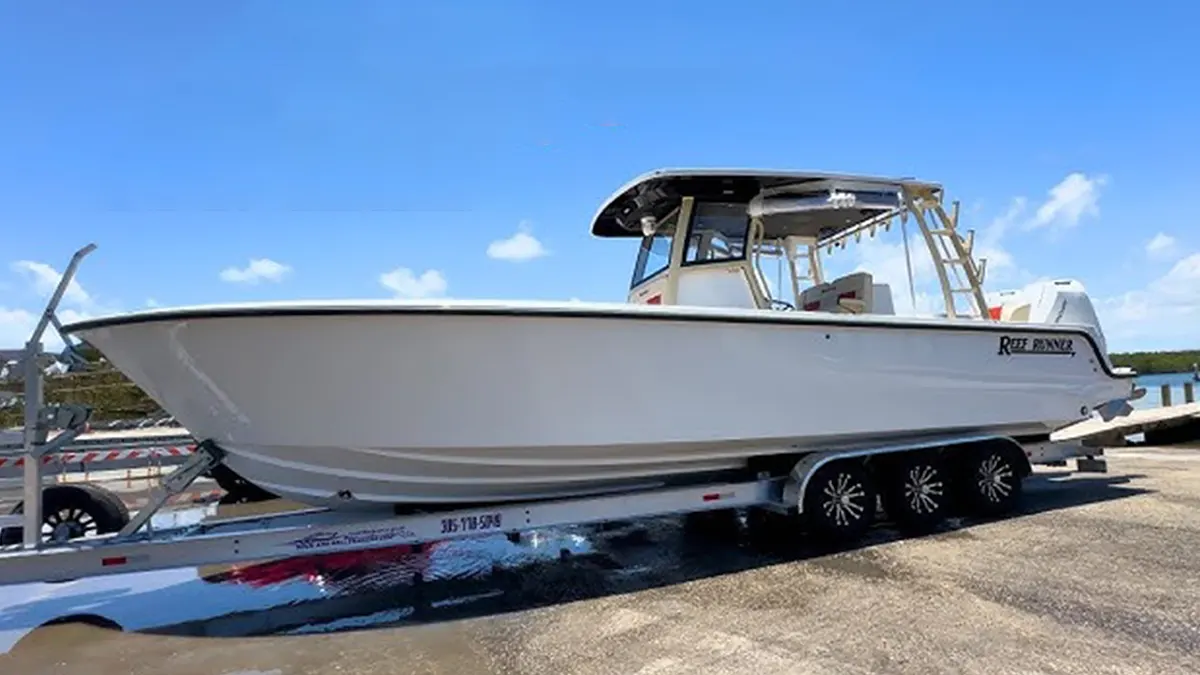
A dual-axle trailer comes with two sets of wheels. You get more stability, especially when towing at higher speeds or on the highway. This trailer handles heavier boats and longer trips. You notice the difference when you drive over bumps or rough roads—the ride feels smoother. Dual-axle trailers often have four brakes, which means better stopping power. These trailers cost more, with prices ranging from $9,995 to $12,995. If you own a bigger boat or plan to travel far, you might prefer a dual-axle trailer.
Note: Dual-axle trailers are built for bigger loads and longer journeys. You get extra peace of mind when towing heavy boats.
Key Differences
When you compare single axle vs tandem axle boat trailer options, you see clear differences in design and use. Let’s break it down:
| Feature | Single-Axle Trailer | Dual-Axle Trailer |
|---|---|---|
| Stability | Less stable at higher speeds | More stable, less sway |
| Weight Limit | Up to 3,300 lbs | Higher weight capacity |
| Cost | $2,749–$2,899 | $9,995–$12,995 |
| Maneuverability | Easy in tight spaces | Harder to maneuver |
| Maintenance | Cheaper, fewer parts | More parts, higher upkeep |
| Brakes | Two brakes | Four brakes, better stopping |
- You find single-axle trailers easier to park and turn. They work best for smaller boats and short towing trips.
- Dual-axle trailers give you more stability and safety. They handle bigger boats and longer journeys.
- You pay more for dual-axle trailers, but you get extra features and peace of mind.
If you want simple maintenance and easy handling, stick with a single-axle trailer. If you need to tow a heavy boat or travel far, a dual-axle trailer makes sense.
Single-Axle Boat Trailers: Pros and Cons
When you look at single axle vs tandem axle boat trailer options, you might wonder what makes single-axle boat trailers stand out. Let’s break down the pros and cons so you can decide if this trailer fits your needs.
Single-Axle Pros
Lower Cost
- You save money right away when you choose a single-axle trailer. The price is much lower than a tandem axle trailer, which helps if you have a tight budget.
- Lower running costs come from fewer tires, brakes, and parts to maintain.
Easier Maneuvering
- You can move a single-axle trailer into tight spots with less effort. Parking in your driveway or at a crowded boat ramp feels much easier.
- Turning corners and backing up takes less skill, which is great if you’re new to towing.
Simpler Maintenance
- You spend less time and money on maintenance. With only one axle, you have fewer tires, bearings, and brakes to check.
- Repairs cost less because there are fewer parts to replace.
Lighter Weight
- A single-axle trailer weighs less than a tandem axle trailer. This lighter weight means you use less fuel when towing.
- You get better fuel efficiency, especially on short trips or when hauling smaller boats.
| Feature | Single Axle Trailer | Tandem Axle Trailer |
|---|---|---|
| Weight | Lighter | Heavier |
| Rolling Resistance | Less rolling resistance | More rolling resistance |
| Fuel Efficiency | Better fuel efficiency due to lighter weight | Lower fuel efficiency due to increased drag |
| Stability and Braking | Less stability and braking | Better stability and braking |
Tip: Single-axle boat trailers work best for light-duty hauling, short-distance towing on paved roads, and small boats under 4 meters. If you need to move a personal watercraft or light equipment, this trailer is a practical choice.
Single-Axle Cons
Limited Weight Capacity
- You face a lower weight capacity with a single-axle trailer. Most models handle boats up to about 3,300 pounds.
- If your boat is heavy or you plan to upgrade, you might outgrow this trailer quickly.
Less Stability
- You notice less stability at higher speeds or on rough roads. The trailer can sway more, especially when loaded close to its weight limit.
- Weight distribution becomes tricky if you don’t load your boat just right.
Higher Tire Wear Risk
- All the weight sits on two tires. This causes faster tire wear, especially if you tow often or carry heavy loads.
- If a tire blows out, you have no backup. This can lead to safety concerns on the road.
Check your trailer tires for rot such as cracks in the sidewalls, and replace them immediately if they show this. Sometimes trailer tires can rot from the inside, so it is a good idea to replace them every five years whether they look good on the outside or not. And make sure that you buy only trailer tires bearing the ST (special trailer) designation on the sidewalls. These have special sidewall reinforcements and other features specifically engineered to withstand the rigors of trailering.
Safety Concerns with Flats
- If you get a flat tire, the trailer can become unstable right away. You must stop and fix it before you keep going.
- Safety becomes a bigger issue if you travel long distances or drive on highways.
Note: Single-axle trailers offer less backup if a tire fails. Always check your tires before each trip to avoid safety concerns.
In summary:
Single-axle boat trailers give you lower cost, easy handling, and simple maintenance. They work best for small boats, short trips, and light loads. The cons include limited weight capacity, less stability, and more risk if you get a flat tire. If you value fuel efficiency and easy towing, this trailer is a smart pick. If you need more safety or plan to haul a bigger boat, you might want to look at other options.
Tandem-Axle Boat Trailers: Pros and Cons
When you compare single axle vs tandem axle boat trailer options, you see that tandem-axle boat trailers bring a lot to the table. If you own a bigger boat or plan to travel long distances, you might want to look at these trailers. Let’s break down the pros and cons so you can decide if a dual-axle trailer fits your needs.
Tandem-Axle Pros
Higher Weight Capacity
You get a much higher weight capacity with tandem-axle boat trailers. These trailers can carry heavier loads, often ranging from 7,000 to 14,000 pounds or more. If you have a large boat or plan to upgrade, a dual-axle trailer gives you room to grow. You don’t have to worry about overloading your trailer, which helps protect your boat and your towing vehicle.
Tip: If you want to tow heavier loads or need extra space for gear, a tandem-axle trailer is the right choice.
Better Stability
You notice better stability when you tow a dual-axle trailer. The design spreads the weight across four tires, which reduces swaying and bouncing. You feel more confident driving in windy conditions or at higher speeds. The load-sharing suspension system helps keep your trailer steady, even on rough roads.
| Feature | Single-Axle Trailer | Tandem-Axle Trailer |
|---|---|---|
| Stability in Wind | Less stable, more swaying | More stable, reduced swaying |
| Weight Distribution | Carries more weight on one set of wheels | Distributes weight across two sets of wheels |
| Handling at Speed | Less effective at higher speeds | Better handling at higher speeds |
| Cargo Capacity | Limited to lighter loads | Can manage heavier loads, up to three times more |
| Maneuverability | Easier to maneuver in tight spaces | More challenging to maneuver but more stable |
Improved Safety
You get improved safety with tandem-axle boat trailers. The trailer spreads the weight across four tires, which means less strain on each tire and more durability. If you get a flat, you still have three tires to keep you moving. The dual-axle trailer often comes with four brakes, giving you better braking and more control. You feel safer on the highway, especially when towing a heavy boat.
Note: Dual-axle trailers offer extra peace of mind for on-road safety. You don’t have to worry as much about tire blowouts or sudden stops.
Smoother Highway Towing
You experience a smoother ride when you tow a tandem-axle trailer on the highway. The rocker or equalizer bar transfers impacts between wheels, so all tires stay in contact with the road. You notice less bouncing and swaying, even when you hit bumps or rough patches. The trailer’s design makes it ideal for long hauls and heavy boats. You get ease and safety every time you tow.
- Dual-axle trailers handle highway towing better than single-axle trailers.
- You enjoy more comfort and less stress during long trips.
- The trailer’s durability stands up to constant use and heavy loads.
Tandem-Axle Cons
Higher Cost
You pay more for a tandem-axle trailer. The price is higher because you get extra features, more tires, and a stronger frame. If you have a tight budget, this can be a big drawback. You also spend more on registration and insurance.
Tip: If you need to stick to a budget, consider the extra cost before choosing a dual-axle trailer.
More Complex Maintenance
You deal with more complex maintenance on a dual-axle trailer. There are more tires, brakes, and bearings to check. You spend more time and money keeping everything in good shape. Maintenance costs can add up, especially if you tow often or travel long distances.
- You need to check four tires instead of two.
- Braking systems are more advanced and require regular inspection.
- Repairs can take longer and cost more.
Harder to Maneuver
You find it harder to maneuver a tandem-axle trailer. The extra wheels and longer frame make parking and turning more challenging. If you have a small driveway or need to park in tight spaces, you might struggle with a dual-axle trailer.
Note: Tandem-axle trailers work best in open areas or at marinas with plenty of space.
Increased Tire and Brake Costs
You spend more on tires and brakes with a dual-axle trailer. Four tires wear out faster because they carry heavier loads. Braking systems are more complex and need regular attention. You pay more for replacements and repairs.
- Tire costs double compared to a single-axle trailer.
- Braking parts are more expensive and harder to replace.
- You need to budget for ongoing maintenance.
In summary:
Tandem-axle boat trailers give you higher weight capacity, better stability, improved safety, and smoother highway towing. You pay more for these trailers and deal with more complex maintenance. Maneuvering can be tricky, and tire and brake costs are higher. If you value on-road safety, need to tow heavier loads, or plan long trips, a dual-axle trailer is a smart investment. If you want easy handling and lower costs, a single-axle trailer might suit you better.
Single Axle vs Tandem Axle: Pros and Cons Table
Quick Comparison Table
Here is a table that shows the main pros and cons for each trailer. You can look at both types side by side. This helps you pick the trailer that works best for you.
| Feature | Single Axle Trailer | Tandem Axle Trailer |
|---|---|---|
| Cost | Lower purchase and maintenance costs | Higher purchase and maintenance costs |
| Weight Capacity | Up to 3,500 lbs | 5,000 to 12,000 lbs or more |
| Maneuverability | Easier to tow and park | Harder to maneuver in tight spots |
| Ride Comfort | Rougher ride, especially when empty | Smoother ride due to more tires |
| Tire Wear | More stress per tire, faster wear | Slower wear, better weight distribution |
| Legal Requirements | Often exempt from stricter licensing | May need special licensing or inspections |
| Braking Requirements | May not need brakes under certain weights | Usually requires its own brake system |
| Boat Length | 14-18 ft | 18-26 ft |
| Carrying Capacity (lbs) | 1,200 – 2,450 | 5,200 – 10,000 |
| Trailer Weight (lbs) | 300 – 540 | 970 – 1,360 |
| Tire Size | Smaller tires | Larger, more durable tires |
Tip: If you want to spend less money and only need to move a small boat for short trips, a single axle trailer is a good choice. If you have a bigger boat or want to travel far, a tandem axle trailer gives you more safety and comfort.
Quick Takeaways
- A single axle trailer is easy to park and costs less.
- A tandem axle trailer gives you more stability and can carry heavier boats.
- Think about your boat’s size, how far you will drive, and your budget before you decide.
If you are still not sure about picking a single axle or tandem axle boat trailer, ask yourself this: Do you want something simple and light, or do you need something strong and steady? This table lets you see the good and bad points quickly.
Choosing the Right Trailer
By Boat Size and Weight
Choosing the right trailer starts with your boat. You want a trailer that matches your boat’s size and weight. If you have a small jon boat or a fishing boat, a single axle trailer works well. These trailers are best for boats under 4 meters. They are cost-effective and easy to move around. You can tow them with less effort and park them in tight spots.
If your boat is larger, you need a different trailer size. Tandem axle trailers are the better choice for boats over 5 meters. They handle heavier loads and give you more stability. You will notice the difference when you tow a bigger boat, especially on longer trips or rough roads. Tandem axle trailers are necessary for larger ships or when you carry more gear.
- Single axle trailers: best for small boats and short trips.
- Tandem axle trailers: best for larger vessels and longer journeys.
Tip: Always check your boat’s length and weight before you pick a trailer. This helps you avoid problems on the road.
Towing Vehicle Needs
Your towing vehicle matters just as much as your trailer. You need to make sure your vehicle can handle the trailer and your boat together. Look at the gross combined vehicle weight (GCVW). This number includes your trailer, your boat, your vehicle, and everything inside—like fuel, passengers, and gear.
If you plan to use a tandem axle trailer, you may need a bigger vehicle. Some tandem axle trailers have a gross vehicle weight rating (GVWR) up to 14,000 lbs. That is a lot of weight. Trucks or SUVs with a towing package work best for these trailers. If your total weight gets close to your vehicle’s limit, it is safer to choose a larger vehicle.
- Tandem axles give you better load distribution and stability.
- They are ideal for boats over 20 feet or for rough roads.
Note: Always check your vehicle’s towing requirements before you buy a trailer. This keeps you safe and protects your vehicle.
Budget Considerations
Your budget plays a big role in your trailer choice. Single axle trailers cost less up front. They also have lower maintenance costs. If you want to save money and your boat is small, a single axle trailer is a smart pick.
Tandem axle trailers cost more. You pay extra for the extra wheels, brakes, and stronger frame. Maintenance and repairs also cost more. If you have a larger boat or need more safety, the extra cost may be worth it.
- Single axle trailers: lower price, less upkeep.
- Tandem axle trailers: higher price, more features.
Tip: Set your budget before you shop for a trailer. This helps you find the best fit for your needs and wallet.
Usage: Local vs Highway
You need to think about where you plan to use your trailer most. If you stick to local roads and short trips, a single axle trailer makes life easier. You can park it in tight spots and move it around without much trouble. The lighter weight means you save on fuel, and you do not have to worry about complex maintenance.
If you plan to drive on highways or take longer trips, a tandem axle trailer gives you more confidence. You get extra stability at higher speeds. The trailer spreads the weight across four tires, so you feel less sway and bounce. This makes your boat safer during long drives. Tandem axle trailers also handle rough roads better. You notice a smoother ride, even when you hit bumps.
Here’s a quick list to help you decide:
- Single axle trailers work best for local towing and short distances.
- Tandem axle trailers shine on highways and longer journeys.
- Tandem axle trailers distribute weight more effectively, which boosts safety and stability.
- You get extra support if you have a flat tire while traveling with a tandem axle trailer.
Tip: If you plan to travel far or use highways often, choose a tandem axle trailer for your boat. You get peace of mind and a safer ride.
Safety and Peace of Mind
Safety matters every time you tow your boat. You want to feel secure on the road, whether you drive locally or on highways. Tandem axle trailers offer more safety features. They have more tires, so if one blows out, you still have others to keep you moving. The trailer can have brakes on both axles, which helps you stop faster and with more control.
A single axle trailer puts all the weight on two tires. If one tire fails, you must stop right away. You do not have backup support. Tandem axle trailers spread the load, so each tire carries less weight. This reduces the risk of sudden problems.
Let’s look at some safety points:
- Tandem axle trailers are more stable on highways, especially for longer trips.
- They provide extra safety support in case of a flat tire.
- They are more effective at distributing the weight of your boat.
- Tandem axle trailers can have brakes on both axles, reducing stopping time.
- You need to check more tires and brakes, but you get extra safety.
Note: More tires do not mean fewer chances for problems. You still need to check your trailer before every trip. A flat tire on a tandem axle trailer needs attention, just like on a single axle trailer.
If you want peace of mind, choose a trailer that matches your needs. Tandem axle trailers give you more safety for highway travel and heavy boats. Single axle trailers work well for local trips and smaller boats. Always check your trailer before you hit the road. Safety comes first.
Tips for Selection
Assessing Your Needs
You want to pick the right trailer for your boat, but where do you start? First, look at what you need most. Think about how often you haul your boat and where you plan to go. If you only tow your boat for short trips or have a smaller model, a single axle trailer makes towing easier and costs less. If you plan to carry heavy loads or drive long distances, a tandem axle trailer gives you more stability and safety.
Here are some important factors to check:
- Weight capacity: Tandem axle trailers handle larger loads. Single axle trailers work best for lighter boats.
- Stability: Tandem axle trailers offer better stability, especially for heavier boats.
- Maneuverability: Single axle trailers are lighter and easier to move around.
- Maintenance costs: Tandem axle trailers need more upkeep. Single axle trailers cost less to maintain.
- Frequency of hauling: Tandem axle trailers are better for regular, heavy loads.
- Safety requirements: Tandem axle trailers provide a backup if a tire fails.
- Cost considerations: Set your budget before you choose a trailer.
Tip: If you want easy towing and affordability, choose a single axle trailer. If you haul large or heavy items often, a tandem axle trailer is the better fit.
Common Mistakes
You might make mistakes when picking a trailer for your boat. Many people choose a single axle trailer for boats over 3,000 pounds. This can cause instability and safety problems. Some forget to check the weight distribution and braking power needed for heavier boats. This mistake can lead to accidents. Others fail to match the trailer type to the boat’s weight and how they plan to use it. This can damage both the trailer and the boat.
Here are mistakes to avoid:
- Picking a single axle trailer for a heavy boat.
- Ignoring the need for proper weight distribution and brakes.
- Not matching the trailer to your boat’s size and use.
Note: Always check your boat’s weight and make sure your trailer can handle it. Safety comes first.
When to Upgrade
You may wonder when it’s time to upgrade from a single axle trailer to a tandem axle trailer. If you start hauling heavier loads or travel longer distances, a tandem axle trailer makes sense. Tandem axle trailers are built for demanding conditions. They spread the weight across four tires, which means less stress on each tire. You get better stability and tracking at highway speeds. If you drive in windy areas or on uneven roads, a tandem axle trailer keeps your boat safer.
Consider upgrading when:
- You need to carry heavier loads.
- You want improved stability and tracking.
- You drive on highways or rough terrain often.
- You want safer handling in case of tire issues.
Tip: If your trailer feels unstable or you plan to upgrade your boat, look for a tandem axle trailer. You get peace of mind and better performance.
Conclusion
You have seen how each trailer fits different needs. Check out this quick table from industry experts:
| Trailer Type | Advantages | Limitations |
|---|---|---|
| Single Axle | Great for light loads, short trips, and saving money | Limited capacity and stability |
| Tandem Axle | Safer, stronger, and stable for heavy hauling | Costs more and weighs more |
When making your decision, think about your boat size, trip length, and budget. Always check state laws for trailer requirements. If you launch in salt water, pick a galvanized steel trailer. For fresh water, aluminum trailers work best. You can reach out to us for expert advice. We help you make the right decision for your boat trailer.
FAQ
What size boat fits a single axle trailer?
You can use a single axle trailer for boats up to 18 feet and around 3,300 pounds. Always check your boat’s weight before you buy a trailer.
Is a tandem axle trailer safer for highway towing?
Yes, you get more stability and safety with a tandem axle trailer. It handles bumps and high speeds better, so you feel more confident on the road.
How often should I check my trailer tires?
You should check your trailer tires before every trip. Look for cracks, low pressure, or worn tread. Replace tires every five years, even if they look good.
Can I tow a trailer with a regular car?
You can tow a small trailer with some cars, but bigger trailers need a truck or SUV. Always check your vehicle’s towing limit before you hook up a trailer.
What’s the main difference between single and tandem axle trailers?
A single axle trailer is lighter and easier to move. A tandem axle trailer carries heavier loads and gives you more stability. Your choice depends on your boat and travel needs.
Do tandem axle trailers cost more to maintain?
Yes, you pay more for maintenance with a tandem axle trailer. You have extra tires, brakes, and parts to check. It’s important to budget for these costs.
How do I know which trailer is right for me?
Think about your boat’s size, how far you travel, and your budget. If you want easy parking and low costs, pick a single axle trailer. For heavy boats and long trips, choose a tandem axle trailer.